Categories
Archives

If your OB-GYN has recommended a hysteroscopy, you may be feeling a mix of relief and uncertainty. Relief because you are finally getting answers, and uncertainty because you might not know what the procedure involves.
A hysteroscopy is a common gynecological procedure used to examine the inside of the uterus. It can help diagnose abnormal bleeding, identify uterine polyps or fibroids, and in some cases, treat the problem during the same visit.
Advanced Gynecology of Reno in Reno, NV, believes that feeling informed is one of the best ways to feel calm and prepared. Below, we break down what a hysteroscopy is, why it is done, how to prepare, and what to expect before and after your procedure.
What Is a Hysteroscopy?
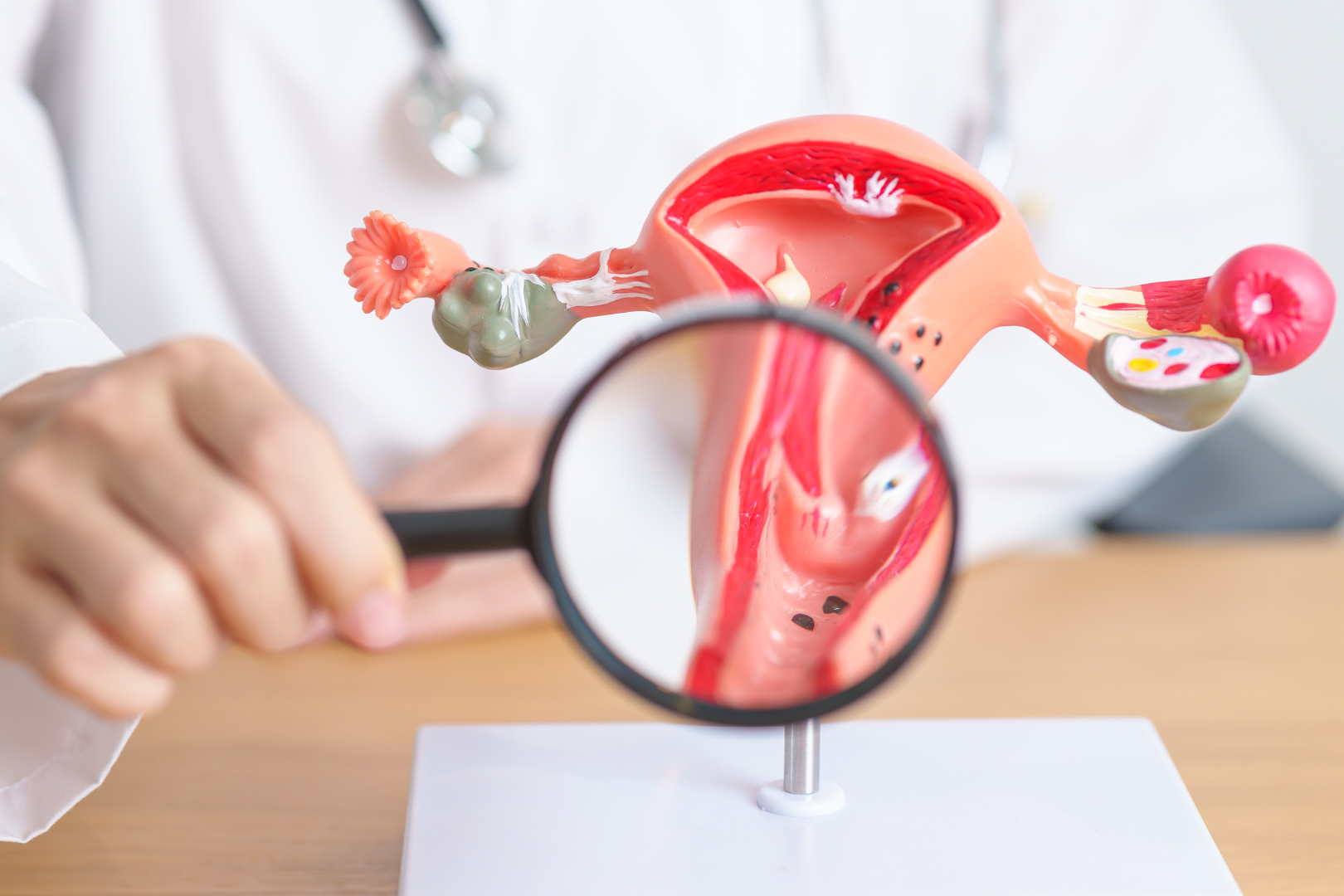
A hysteroscopy is a minimally invasive procedure that allows your doctor to look inside your uterus using a thin, lighted instrument called a hysteroscope. The hysteroscope is inserted through the vagina and cervix, so there are no incisions.
The procedure may be used for diagnosis, treatment, or both.
What Does a Hysteroscope Do?
A hysteroscope is a narrow tube with a camera and light at the end. It provides a clear view of the uterine cavity, allowing your doctor to check for abnormalities and determine what may be causing symptoms such as abnormal bleeding or infertility.
Why Would You Need a Hysteroscopy in Reno, NV?
Hysteroscopy is recommended when your provider needs a closer look at the uterus or wants to treat a condition inside the uterine cavity.
Common Reasons for a Hysteroscopy Procedure
Your OB-GYN may recommend hysteroscopy to evaluate or treat:
- Heavy menstrual bleeding
- Irregular periods
- Bleeding between periods
- Postmenopausal bleeding
- Suspected uterine polyps
- Suspected fibroids inside the uterus
- Thickened endometrial lining
- Recurrent miscarriage
- Infertility concerns
- Retained tissue after pregnancy
- IUD placement issues or missing IUD strings
Diagnostic vs. Operative Hysteroscopy: What Is the Difference?
Not all hysteroscopies are the same. Some are done only to diagnose a problem, while others are performed to treat the issue during the same appointment.
Diagnostic Hysteroscopy
A diagnostic hysteroscopy is performed to examine the uterine cavity and confirm what is causing symptoms. It may be recommended after an abnormal ultrasound, abnormal bleeding, or infertility testing.
Operative Hysteroscopy
An operative hysteroscopy is performed when treatment is needed. Specialized tools can be passed through the hysteroscope to remove polyps, fibroids, scar tissue, or to correct uterine abnormalities.
What Conditions Can Hysteroscopy Diagnose or Treat?
Hysteroscopy is a powerful tool for both identifying and addressing a wide range of uterine conditions.
Uterine Polyps
Uterine polyps are common growths in the lining of the uterus. They can cause heavy bleeding, irregular cycles, spotting, or fertility issues. Many polyps can be removed during an operative hysteroscopy.
Fibroids Inside the Uterus
Some fibroids grow into the uterine cavity and contribute to heavy bleeding or miscarriage risk. Hysteroscopy can help locate these fibroids and, in certain cases, remove them without major surgery.
Scar Tissue (Asherman’s Syndrome)
Scar tissue inside the uterus can form after procedures such as dilation and curettage (D&C) or infection. This can cause lighter periods, infertility, or recurrent miscarriage. Hysteroscopy helps identify scar tissue and can sometimes remove it.
Abnormal Uterine Bleeding
If you are experiencing heavy or unpredictable bleeding, hysteroscopy can help determine whether the cause is structural, such as polyps or fibroids, or related to the endometrial lining.
How to Prepare for a Hysteroscopy Appointment
Preparation depends on whether your hysteroscopy is diagnostic or operative, and whether it is performed in the office or at a surgical center.
Timing Your Hysteroscopy Procedure
In many cases, hysteroscopy is scheduled shortly after your period ends. This timing provides the clearest view of the uterine cavity.
If you are postmenopausal, timing may be less dependent on your cycle.
Medications to Discuss Before Hysteroscopy
Your provider may ask about:
- Blood thinners
- Hormonal medications
- Allergy history
- Previous anesthesia reactions
- Pain medications you can take safely
You may also be given medication to soften the cervix beforehand, especially if you have not had a vaginal delivery.
Should You Eat Before a Hysteroscopy?
If your hysteroscopy is being done with anesthesia, you will likely be instructed not to eat or drink for a specific period of time beforehand.
If your hysteroscopy is being performed in-office without anesthesia, you may be allowed to eat normally.
Your Advanced Gynecology of Reno team will provide specific instructions based on your procedure type
What Happens During a Hysteroscopy Procedure?
Most hysteroscopy procedures are relatively quick, but the experience depends on the purpose of the hysteroscopy and whether anesthesia is used.
Step-by-Step: What to Expect During Hysteroscopy
During the procedure, your provider will typically:
- Perform a pelvic exam
- Insert a speculum (similar to a Pap smear)
- Gently guide the hysteroscope through the cervix
- Use sterile fluid to expand the uterus for visibility
- Examine the uterine cavity
- Remove polyps or take tissue samples if needed
Does a Hysteroscopy Hurt?
This is one of the most common questions, and it is completely valid.
Pain Level During Office Hysteroscopy
Some patients experience mild cramping similar to menstrual cramps. Others may feel stronger cramping, particularly when the uterus is being expanded.
Hysteroscopy With Sedation or Anesthesia
If you are undergoing operative hysteroscopy or have a history of discomfort with pelvic procedures, your hysteroscopy may be done with sedation or anesthesia in a surgical setting.
How Long Does a Hysteroscopy Take?
A diagnostic hysteroscopy may take as little as 5 to 15 minutes. An operative hysteroscopy may take longer, depending on what is being treated.
Your appointment may also include prep time, recovery time, and discussion of results.
What to Expect After a Hysteroscopy
Most patients recover quickly and can return to normal activities soon, but mild side effects are common.
Common Side Effects After Hysteroscopy
You may experience:
- Light spotting for a few days
- Mild cramping
- Watery discharge (from the fluid used during the procedure)
- Fatigue, especially if anesthesia was used
When You Can Return to Work or Normal Activities
Many patients can return to work the same day or the next day, depending on:
- Whether the hysteroscopy was diagnostic or operative
- Whether sedation was used
- Your personal comfort level
Your provider will give guidance specific to your procedure.
Hysteroscopy Recovery Tips
A few simple steps can help you feel more comfortable during recovery.
Managing Cramping After Hysteroscopy
Most cramping can be managed with:
- Over-the-counter pain relievers (as recommended)
- A heating pad
- Rest and hydration
When to Avoid Sex or Tampons After Hysteroscopy
Your doctor may recommend avoiding tampons, intercourse, and douching for a short period after the procedure to reduce infection risk.
Follow your provider’s specific instructions.
When to Call Your Reno OB-GYN After a Hysteroscopy
Contact Advanced Gynecology of Reno right away if you experience:
- Heavy bleeding (soaking a pad in an hour)
- Fever or chills
- Severe abdominal pain
- Foul-smelling discharge
- Dizziness or fainting
These symptoms may indicate infection or another complication.
Schedule a Hysteroscopy Consultation in Reno, NV
If you have been experiencing abnormal uterine bleeding, suspected polyps, fertility concerns, or an abnormal ultrasound, hysteroscopy may be an important next step.
Advanced Gynecology of Reno provides compassionate care and clear guidance before, during, and after your procedure.
If you have questions or want to schedule an appointment, contact Advanced Gynecology of Reno today.