Categories
Archives
Fibroids are one of the most common gynecologic conditions out there, yet most women only learn about them after months of heavy periods or unexplained pelvic pain send them looking for answers. Up to 80 percent of women will develop fibroids by age 50, and many never notice a single symptom. For others, fibroids reshape daily life in ways that are easy to dismiss until they aren’t.
Here is what fibroids actually are, the symptoms worth paying attention to, and the treatment options available if they start affecting your quality of life.
What Are Uterine Fibroids?
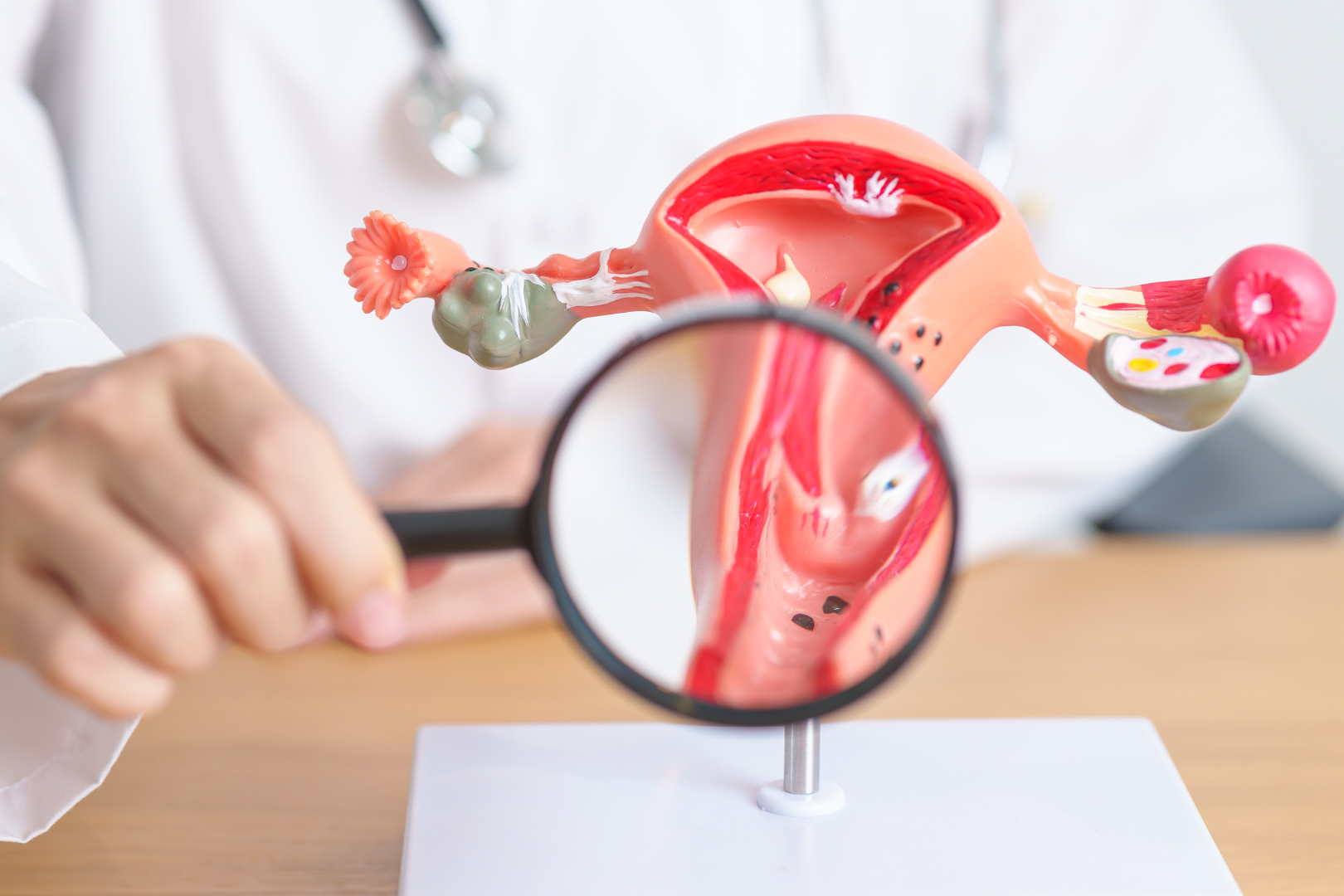
Fibroids are noncancerous growths that develop in or on the uterus, made up of muscle and fibrous tissue. They can be as small as a seed or grow large enough to change the shape of the uterus itself, and a single person can have one fibroid or several at once.
Fibroids are almost always benign. The concern is rarely whether they are dangerous on their own, it is whether the size, number, or location of the fibroids is causing symptoms that interfere with daily life.
Common Symptoms of Uterine Fibroids
Symptoms vary widely depending on a fibroid’s size and where it sits in the uterus. Some women have no symptoms at all, while others deal with several of the following at once.
Heavy or Prolonged Periods
Periods that soak through pads or tampons faster than usual, last longer than a week, or come with large clots are one of the most common signs of fibroids. Over time, heavy bleeding like this can also lead to iron deficiency anemia.
Pelvic Pain & Pressure
Larger fibroids can create a persistent feeling of fullness or pressure in the lower abdomen, and some women describe a dull ache that is distinct from typical menstrual cramping.
Frequent Urination
A fibroid pressing against the bladder can create the urge to urinate more often, even when the bladder isn’t actually full.
Fibroids & Fertility
Depending on their size and location, fibroids can sometimes make it harder to conceive or contribute to complications during pregnancy. Not every fibroid affects fertility, but it is worth discussing with a provider if you are planning to conceive.
What Causes Fibroids to Develop
The exact cause of fibroids isn’t fully understood, but hormones play a major role. Estrogen and progesterone, the hormones that regulate the menstrual cycle, appear to encourage fibroid growth, which is why fibroids often shrink after menopause. Family history, age, and race also factor into risk, with fibroids showing up more often and at younger ages in Black women specifically.
How Fibroids Are Diagnosed
A pelvic exam is often the first step, since larger fibroids can sometimes be felt directly. From there, an ultrasound gives a clearer picture of the number, size, and location of any fibroids present. In some cases, additional imaging or a minor procedure called a hysteroscopy is used to get a closer look inside the uterus itself.
Treatment Options for Uterine Fibroids
Not every fibroid needs treatment. The right approach depends on symptom severity, fibroid size and location, and whether future pregnancy is part of the plan.
Watchful Waiting
Small fibroids causing no symptoms often just need regular monitoring to track any changes in size over time.
Medication Management
Hormonal birth control, IUDs, and other medications can help manage heavy bleeding and pain without addressing the fibroid itself, which works well for many women who don’t need or want a procedure.
Minimally Invasive Procedures
Options like uterine fibroid embolization or myomectomy can shrink or remove fibroids while preserving the uterus, which matters for women who want to maintain fertility.
Surgical Options
For larger fibroids or cases where other treatments haven’t helped, a hysterectomy or endometrial ablation may be recommended. Your provider can walk you through which option, if any, fits your specific situation.
When to See a Gynecologist About Fibroids
Heavy periods, pelvic pressure, or bathroom habits that have changed without an obvious reason are all worth bringing up at your next visit. Fibroids are common enough that many women assume the symptoms are just normal, but a proper evaluation is the only way to know what’s actually happening.
Why Choose Advanced Gynecology of Reno for Fibroid Care
Dr. Kenneth Poppen and Kyla Sweeney, PA-C take a patient-centered approach to general gynecology care, walking every patient through their specific symptoms and options in plain language before recommending a path forward. Fibroids look different for every patient, and treatment should too.
Schedule a Fibroid Consultation at Advanced Gynecology of Reno
Heavy periods and pelvic pain aren’t something you have to just live with. Contact Advanced Gynecology of Reno to schedule an evaluation and find out what’s really going on.