Categories
Archives
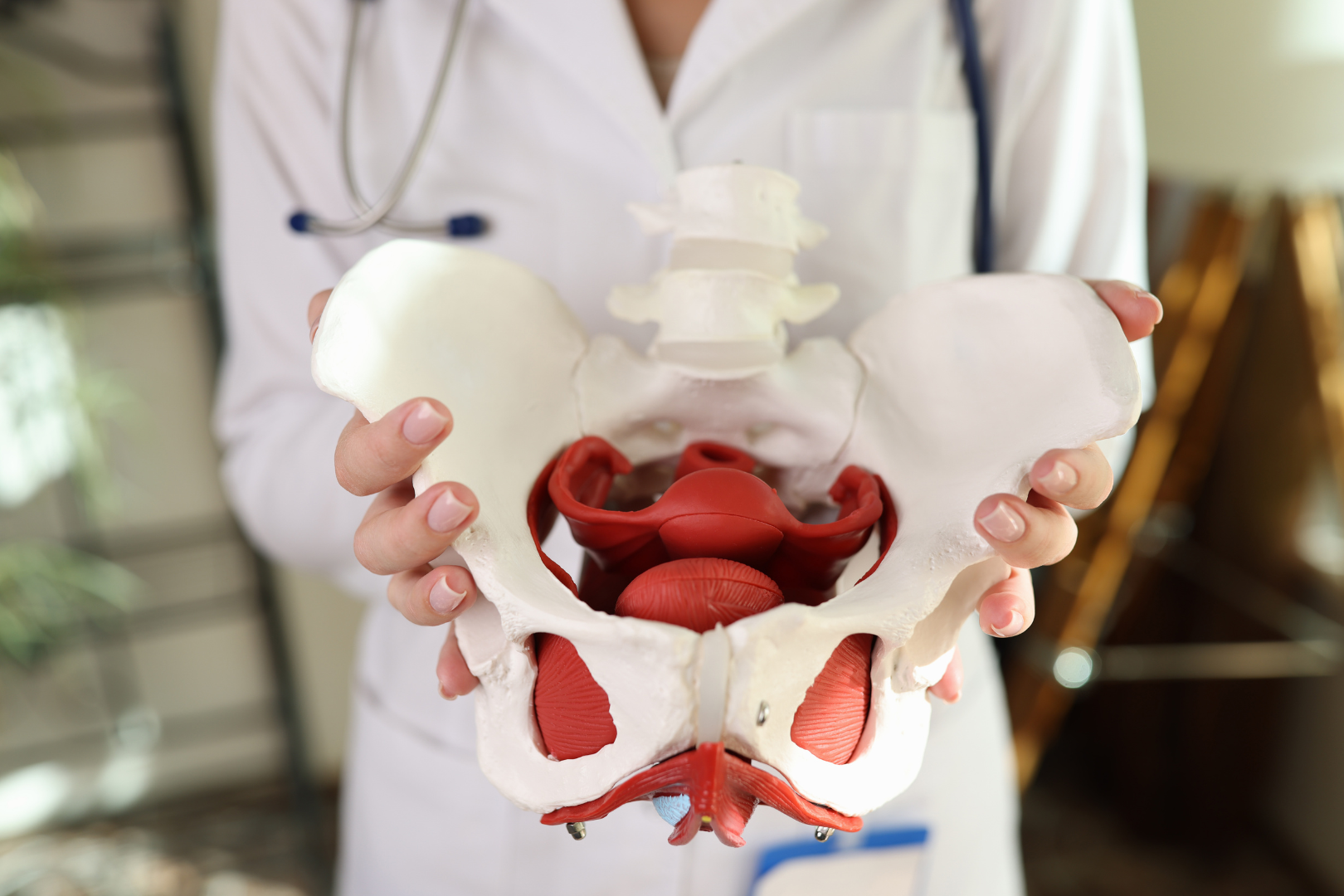
A little leaking when you laugh, sneeze, or exercise gets written off as normal more often than it should. It’s common, but common doesn’t mean it has to be permanent. Here’s what’s actually happening with the pelvic floor and what can be done about it.
What the Pelvic Floor Does & Why It Matters
How the Pelvic Floor Supports Your Bladder & Bowel
The pelvic floor is a group of muscles that supports the bladder, uterus, and bowel. When it’s working well, you don’t notice it at all. When it weakens, the effects show up as leaking, pressure, or a frequent, urgent need to go.
What Weakens the Pelvic Floor Over Time
Pregnancy and vaginal childbirth are common contributors, since they stretch and put pressure on these muscles directly. Menopause plays a role too, since declining estrogen affects the strength and elasticity of pelvic tissue. Chronic coughing, constipation, high-impact exercise, and simply getting older can all add to the strain over time.
Types of Urinary Incontinence
Stress Incontinence
This is the leaking that happens with a laugh, cough, sneeze, or workout. It’s caused by physical pressure on a bladder that doesn’t have quite enough support to hold everything in.
Urge Incontinence
Sometimes called an overactive bladder, this shows up as a sudden, strong urge to urinate that’s hard to control, sometimes with leaking before you can get to a bathroom.
Mixed Incontinence
Many women experience a combination of both stress and urge symptoms, which is exactly what it sounds like: mixed incontinence.
Why So Many Women Wait to Get Help for Urinary Incontinence
Pelvic floor symptoms are common, but they’re also one of the most under-treated issues in women’s health, largely because so many women assume it’s just a normal part of aging or childbirth. It isn’t something you have to plan your life around, and most cases respond well to treatment once they’re actually addressed.
When to See a Gynecologist About Pelvic Floor Symptoms
- Leaking urine when you laugh, cough, sneeze, or exercise
- A sudden, strong urge to urinate that’s hard to control
- A feeling of pressure or heaviness in the pelvic area
- Pain during intercourse
- Frequent urinary tract infections
Any of these are worth bringing up at your next visit, or sooner if they’re affecting your daily life.
Treatment Options for Pelvic Floor & Incontinence Issues
Pelvic Floor Physical Therapy
Targeted exercises, often guided by a specialist, can rebuild strength and coordination in the pelvic floor muscles. For many women, this alone makes a meaningful difference.
Lifestyle & Behavioral Changes
Bladder training, fluid timing, and adjustments to diet can reduce both stress and urge symptoms, especially when combined with physical therapy.
Medical & Procedural Options
When lifestyle changes and physical therapy aren’t enough, there are additional medical and procedural options available. Your provider can walk you through what fits your specific symptoms, health history, and goals.
Why Choose Advanced Gynecology of Reno for Pelvic Floor Care
Dr. Kenneth Poppen and Kyla Sweeney, PA-C bring a patient-centered approach to general gynecology and menopause care for women across Reno, Sparks, and Northern Nevada. Pelvic floor symptoms are common, but you don’t have to just live with them, and getting evaluated is the first step toward an actual solution.
Schedule a Pelvic Floor Consultation at Advanced Gynecology of Reno
If leaking, urgency, or pelvic pressure has been affecting your daily life, it’s worth a conversation. Contact Advanced Gynecology of Reno to schedule an appointment.