Categories
Archives
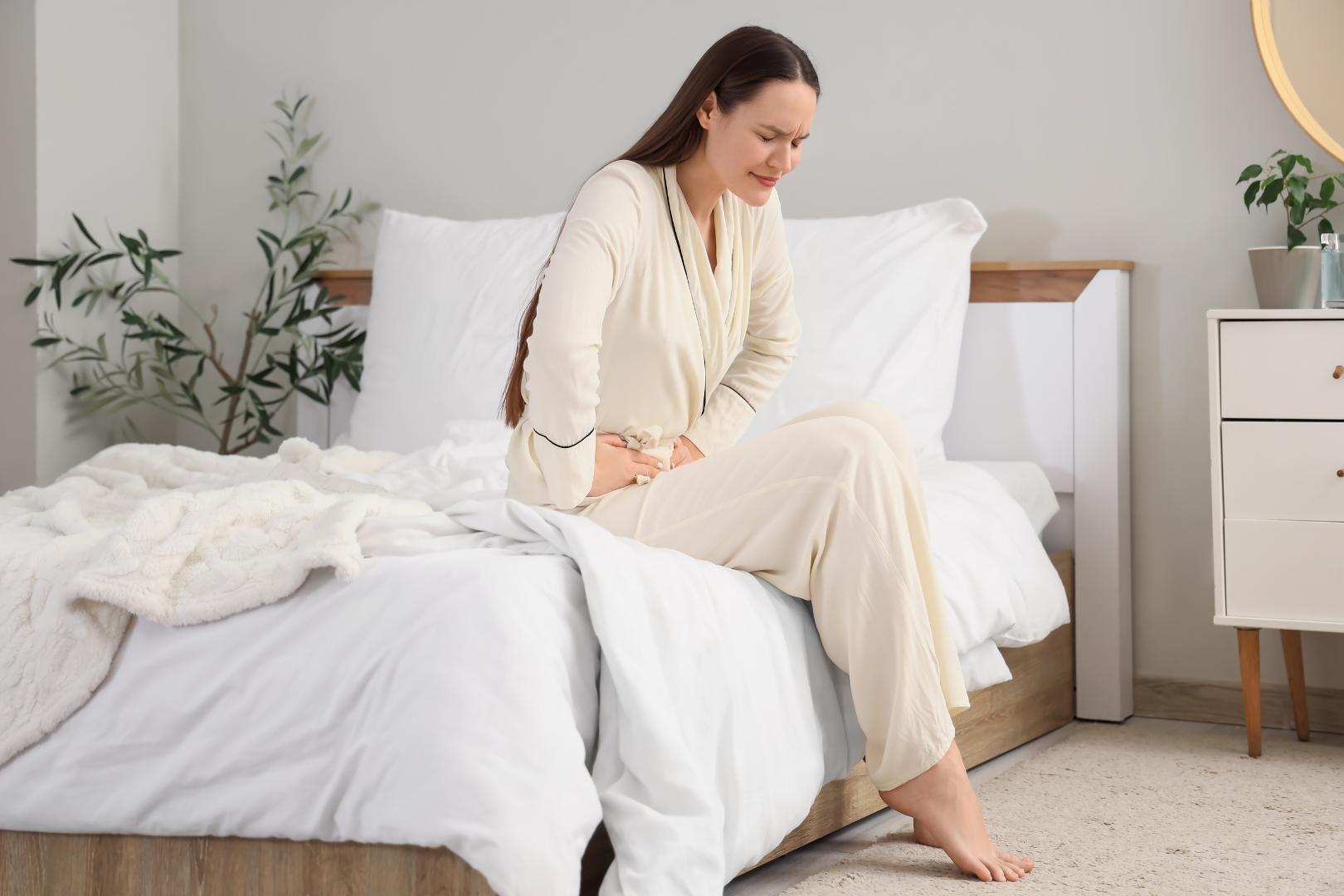
Endometriosis affects an estimated 1 in 10 women of reproductive age, yet it takes an average of 7 to 10 years to receive a diagnosis. That gap exists because the symptoms often get dismissed as “just bad periods.” If something feels off, it’s worth paying attention to. Here’s what to look for and when to seek expert care from Advanced Gynecology in Reno, NV.
What Is Endometriosis?
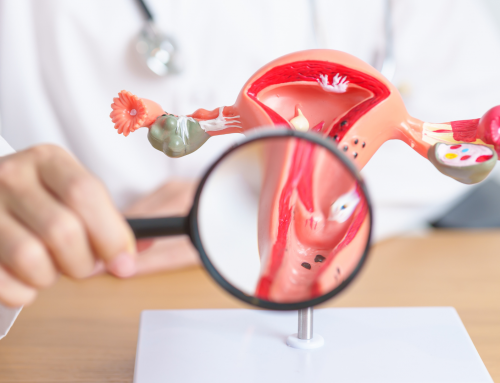
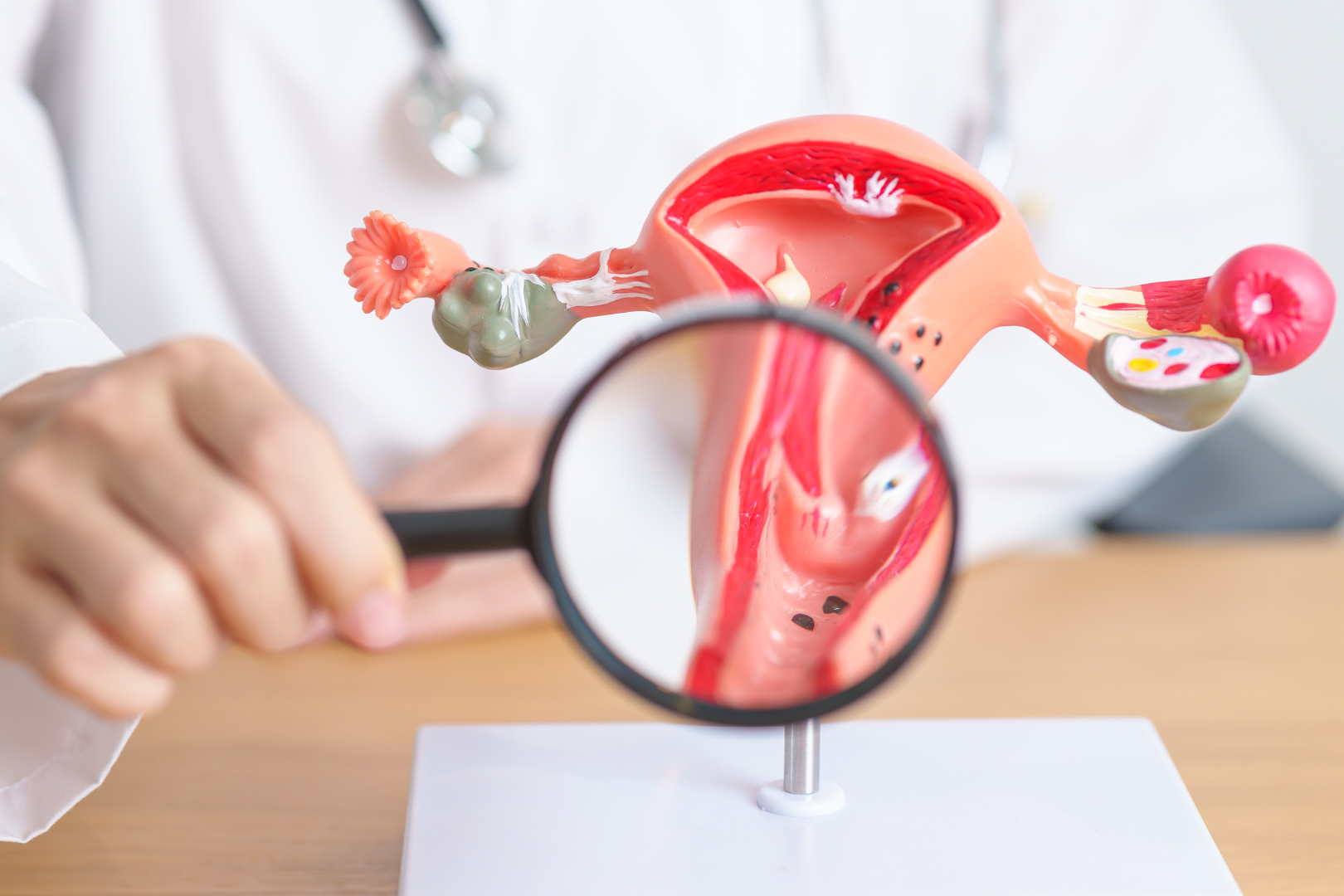
Endometriosis is a condition where tissue similar to the lining of the uterus grows outside of it, often on the ovaries, fallopian tubes, or other pelvic organs. This tissue responds to your hormonal cycle just like the uterine lining does, but because it has nowhere to go, it causes inflammation, scarring, and pain.
Common Endometriosis Symptoms to Watch For
Painful Periods That Interfere With Daily Life
Some cramping during your period is normal. Endometriosis pain is different. If your periods regularly keep you from work, school, or daily activities, and over-the-counter pain relievers don’t touch it, that level of pain is not something you should have to push through.
Pelvic Pain Outside of Your Period
One of the hallmarks of endometriosis is chronic pelvic pain that isn’t tied to your cycle. If you’re experiencing persistent discomfort, pressure, or sharp pain in your lower abdomen at any point during the month, it’s worth discussing with a specialist.
Pain During or After Sex
Pain during intercourse, known as dyspareunia, is another common symptom of endometriosis. It’s often described as deep pelvic pain and can persist after sex as well. This symptom is frequently underreported because many women assume it’s normal. It isn’t.
Heavy or Irregular Bleeding
Unusually heavy periods, bleeding between cycles, or irregular spotting can all be associated with endometriosis. Tracking your cycle and noting any changes can be helpful information to bring to your appointment.
Difficulty Getting Pregnant
Endometriosis is one of the leading causes of infertility. The condition can affect egg quality, fallopian tube function, and the uterine environment. If you’ve been trying to conceive without success, endometriosis may be a contributing factor worth investigating.
Digestive Symptoms During Your Period
Bloating, nausea, constipation, or diarrhea around the time of your period can also point to endometriosis, particularly when the tissue has grown near the bowel or bladder. These symptoms are often mistaken for IBS or other GI conditions.
When Should You See a Specialist for Endometriosis?
If any of the symptoms above sound familiar, especially if they’re recurring or getting worse, it’s time to see a gynecologist who specializes in this condition. You don’t need to wait until the pain becomes unbearable. Early diagnosis leads to better outcomes and more treatment options.
Why Reno Women Choose Advanced Gynecology of Reno for Endometriosis Care
Getting the right diagnosis starts with seeing the right doctor. Dr. Kenneth Poppen is a fellowship-trained Minimally Invasive Gynecologic Surgeon (MIGS) with deep expertise in diagnosing and treating endometriosis. Advanced Gynecology of Reno provides compassionate, individualized care from a team that takes symptoms seriously and works with each patient to find real solutions.
Schedule an Endometriosis Consultation at Advanced Gynecology of Reno Today
If you’re experiencing symptoms that don’t feel normal, trust that instinct. Advanced Gynecology of Reno is located at 6630 S McCarran Blvd, Bldg. B, Ste 18 in Reno, NV, and is currently accepting new patients. Visit advancedgynecologyofreno.com to schedule your consultation today.